⚡ UNLOCK YOUR CRYPTO’S VALUE: Over $15 billion in cryptocurrency is currently locked as collateral in DeFi lending platforms. Don’t let your digital assets sit idle—leverage them for instant liquidity while maintaining price exposure. SmartCredit.io offers industry-leading LTV ratios up to 90% with fixed-rate, fixed-term loans that put you in control.
Get a crypto-backed loan in minutes • No credit checks • Keep your crypto
Calculate Your Loan →
In the evolving world of decentralized finance (DeFi), using crypto as collateral has emerged as one of the most powerful strategies for accessing liquidity without selling your digital assets. Whether you hold Bitcoin, Ethereum, or other major cryptocurrencies, crypto-backed loans allow you to unlock capital while maintaining full exposure to potential price appreciation.
This comprehensive guide covers everything you need to know about using cryptocurrency as collateral, from understanding LTV ratios to selecting the best lending platform for your needs.
What Does Using Crypto as Collateral Mean?
Using crypto as collateral means pledging your digital assets (like Bitcoin, Ethereum, or stablecoins) as security to obtain a loan. Unlike traditional loans that require credit checks and extensive documentation, crypto-collateralized loans are:
- Instant: Get approved and funded within minutes
- Non-custodial: You maintain control of your private keys (on platforms like SmartCredit.io)
- Credit-free: No credit history or income verification required
- Tax-efficient: Borrowing isn’t a taxable event (selling crypto is)
- Flexible: Choose your loan terms, interest rates, and repayment schedule
The process works through smart contracts on blockchain networks, which automatically manage collateral, calculate LTV ratios, and handle liquidations if necessary.
Why Use Crypto as Collateral? Top Benefits Explained
Choosing to use crypto as collateral presents unique advantages for crypto investors looking to unlock the value embedded in their digital portfolio:
1. Maintain Price Exposure
When you take a loan against your crypto instead of selling it, you keep 100% exposure to potential price appreciation. If Bitcoin doubles in value, you still own the full amount—you’ve just borrowed against it temporarily.
2. Avoid Taxable Events
In most jurisdictions, selling cryptocurrency triggers capital gains taxes. Borrowing against crypto is not a taxable event, allowing you to access liquidity without tax implications.
3. No Credit Checks Required
Traditional loans require credit scores, income verification, and extensive documentation. Crypto loans only care about one thing: the value of your collateral.
4. Fast Access to Liquidity
Traditional loans can take days or weeks. Crypto-collateralized loans on platforms like SmartCredit.io are funded within minutes after collateral deposit.
5. Strategic DeFi Opportunities
Borrowing against crypto enables advanced strategies like:
- Yield farming: Use borrowed stablecoins for high-APY opportunities
- Leverage trading: Increase your market exposure
- Liquidity provision: Deploy capital to DEX liquidity pools
- Portfolio diversification: Access funds to buy other assets
How to Select the Best Crypto Collateral Lending Platform
In the rapidly growing DeFi lending space, numerous platforms offer crypto-backed loans. However, not all platforms are created equal. Here’s what to evaluate:
Key Platform Selection Criteria
1. Custodial vs. Non-Custodial
- Custodial platforms: You deposit crypto to the platform’s wallet (they control your keys)
- Non-custodial platforms: You maintain control via smart contracts (recommended for security)
- SmartCredit.io advantage: Fully non-custodial—your keys, your crypto
2. Loan-to-Value (LTV) Ratios
- Higher LTV = more borrowing power per dollar of collateral
- Typical DeFi platforms: 50-75% LTV
- SmartCredit.io: Up to 90% LTV on major cryptocurrencies
3. Interest Rate Models
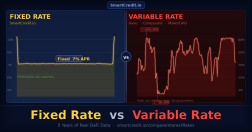
- Variable rates: Change based on market demand (risky during volatility)
- Fixed rates: Locked for entire loan term (predictable, safer)
- SmartCredit.io specializes in fixed-rate loans for maximum predictability
4. Supported Collateral Types
Evaluate which cryptocurrencies the platform accepts:
- Major assets: BTC, ETH, BNB
- Stablecoins: USDC, USDT, DAI
- DeFi tokens: UNI, AAVE, LINK
- Governance tokens and others
5. Security & Audits
- Smart contract audits by reputable firms
- Bug bounty programs
- Track record (has the platform been hacked?)
- Insurance coverage for user funds
6. Liquidation Policies
- At what LTV threshold does liquidation occur?
- Is there a grace period or notification system?
- What are the liquidation penalties?
🏆 Why SmartCredit.io Leads the Market
- ✅ Non-custodial: You control your private keys
- ✅ Fixed-rate loans: Predictable interest, no surprises
- ✅ Fixed-term loans: Clear repayment schedule
- ✅ Up to 90% LTV: Maximum borrowing power
- ✅ P2P architecture: Better rates than pooled lending
- ✅ 5+ years proven track record
- ✅ Multi-chain support: Ethereum, Binance Smart Chain, and more
Understanding Loan-to-Value (LTV) Ratio: The Most Critical Metric
The LTV ratio is the single most important concept when using crypto as collateral. It determines how much you can borrow relative to your collateral value.
How LTV Works
LTV Formula:
LTV Ratio = (Loan Amount / Collateral Value) × 100
Example Calculations:
- $10,000 worth of Bitcoin collateral
- 50% LTV = $5,000 maximum loan
- 75% LTV = $7,500 maximum loan
- 90% LTV = $9,000 maximum loan
LTV Platform Comparison Table
| Platform | Max LTV | Interest Type | Custody |
|---|---|---|---|
| SmartCredit.io | 90% | Fixed Rate | Non-Custodial |
| Aave | 75% | Variable | Non-Custodial |
| Compound | 75% | Variable | Non-Custodial |
| Nexo | 50% | Variable | Custodial |
| BlockFi | 50% | Variable | Custodial |
Managing Your LTV: Critical Safety Strategies
Safe LTV Targets:
- Conservative approach: Stay below 50% LTV for maximum safety buffer
- Moderate approach: 50-70% LTV with active monitoring
- Aggressive approach: 70-90% LTV (high liquidation risk)
LTV Buffer Best Practices:
- Start conservative: Begin with 40-50% LTV even if platform allows higher
- Set up alerts: Monitor collateral value 24/7
- Keep emergency funds: Have extra crypto or stablecoins ready to top up collateral
- Understand liquidation thresholds: Know exactly when your position is at risk
Repayment Terms and Options for Crypto-Backed Loans
Crypto-collateralized loans offer flexible repayment structures that traditional banks simply cannot match.
Common Repayment Models
1. Interest-Only Payments
- Pay only interest during the loan term
- Repay principal at maturity
- Lowest monthly payment burden
- Best for: Short-term liquidity needs
2. Fixed Monthly Payments
- Principal + interest amortized over term
- Predictable payment schedule
- Gradually reduces debt burden
- Best for: Long-term financial planning
3. Bullet Repayment
- No payments during term
- Repay everything at end (principal + accrued interest)
- Maximum flexibility during loan
- Best for: Anticipated lump sum income
4. Flexible Repayment
- Repay anytime without penalties
- Reduce interest by paying early
- No prepayment fees
- Best for: Uncertain income timing
What Happens If You Can’t Repay?
⚠️ Liquidation Process:
If your LTV exceeds the platform’s threshold (typically 85-95%), automatic liquidation may occur:
- Warning notification: Most platforms alert you before liquidation
- Grace period: Usually 24-48 hours to add collateral or repay
- Partial liquidation: Only enough collateral sold to restore healthy LTV
- Liquidation penalty: Typically 5-15% of liquidated amount
How to Avoid Liquidation:
- ✅ Maintain LTV below 70% as safety buffer
- ✅ Set up price alerts for your collateral
- ✅ Keep extra stablecoins ready to add as collateral
- ✅ Use stop-loss strategies in volatile markets
- ✅ Choose fixed-rate loans to avoid interest rate spikes
Crypto Collateral vs. Traditional Collateral: Head-to-Head Comparison
How do crypto-backed loans stack up against traditional lending? Here’s the comprehensive breakdown:
| Factor | Crypto Collateral | Traditional Collateral |
|---|---|---|
| Approval Time | Minutes to hours | Days to weeks |
| Credit Check | Not required | Always required |
| Documentation | Minimal (wallet address) | Extensive (income, assets, etc.) |
| Interest Rates | 5-15% APR typical | 6-20% APR depending on credit |
| Global Access | Available worldwide | Geographic restrictions |
| Minimum Loan | As low as $100 | Often $5,000-$10,000+ |
| Transparency | 100% on blockchain | Opaque processes |
| Operating Hours | 24/7/365 | Business hours only |
| Liquidation Risk | High (price volatility) | Lower (stable assets) |
| Tax Benefits | No taxable event | Varies by loan type |
When to Choose Crypto Over Traditional Loans
Crypto collateral is better when you:
- ✅ Need funds immediately (within hours)
- ✅ Want to avoid selling crypto and triggering taxes
- ✅ Expect crypto prices to rise
- ✅ Have poor credit or no credit history
- ✅ Want 24/7 access to borrowing
- ✅ Prefer transparency via blockchain
- ✅ Need flexible loan terms
Traditional loans might be better when you:
- ❌ Don’t own cryptocurrency
- ❌ Need extremely low interest rates (prime borrowers only)
- ❌ Prefer government-backed insurance (FDIC)
- ❌ Want relationship banking benefits
- ❌ Cannot tolerate liquidation risk
Step-by-Step: How to Get a Crypto-Backed Loan on SmartCredit.io
Getting a loan using crypto as collateral on SmartCredit.io is remarkably simple:
Step 1: Connect Your Wallet
- Visit smartcredit.io
- Connect via MetaMask, WalletConnect, or other Web3 wallets
- Select your preferred blockchain network
Step 2: Create a Borrow Request
- Specify loan amount needed
- Select collateral cryptocurrency
- Choose loan duration (7 days to 365 days)
- Set your acceptable interest rate range
Step 3: Deposit Collateral
- Smart contract calculates required collateral based on LTV
- Transfer crypto to the non-custodial smart contract
- Your collateral remains under your control (non-custodial)
Step 4: Get Matched with Lenders
- SmartCredit.io’s P2P system finds lenders
- Lenders compete for your loan with better rates
- Fixed-rate, fixed-term agreements lock in
Step 5: Receive Funds
- Loan funds transfer to your wallet instantly
- No intermediary holds your money
- Start using funds immediately
Step 6: Manage Your Loan
- Monitor LTV ratio in real-time dashboard
- Add collateral anytime if needed
- Make payments on schedule
- Repay early without penalties
Step 7: Loan Completion
- Make final payment
- Collateral automatically released by smart contract
- Crypto returns to your wallet
Ready to Unlock Your Crypto’s Value?
Join thousands of users who’ve borrowed over $500M on SmartCredit.io
No credit check • Funds in minutes • Non-custodial
Advanced Strategies: Maximizing Returns with Crypto Collateral
Sophisticated DeFi users leverage crypto-backed loans for powerful wealth-building strategies:
Strategy 1: Tax-Efficient Liquidity
Scenario: You bought Bitcoin at $20,000, now worth $80,000. You need $40,000 for a down payment.
Option A (Selling):
- Sell 0.5 BTC for $40,000
- Pay capital gains tax: $6,000-$12,000 depending on jurisdiction
- Net proceeds: $28,000-$34,000
- ❌ Lose future BTC appreciation on sold amount
Option B (Collateral Loan):
- Deposit 1 BTC as collateral ($80,000)
- Borrow $40,000 at 50% LTV
- Pay interest: ~$4,000 per year at 10% APR
- ✅ No immediate tax liability
- ✅ Keep full BTC exposure
- ✅ If BTC doubles, your collateral is now worth $160,000
Strategy 2: Yield Farming Arbitrage
Opportunity: DeFi pools offering 15-25% APY while borrowing costs 8-12%.
Execution:
- Deposit ETH as collateral on SmartCredit.io
- Borrow stablecoins (USDC) at 10% fixed rate
- Deploy borrowed USDC to yield farming protocol earning 20% APY
- Net gain: 10% APY spread (20% earned – 10% paid)
- Maintain collateral value monitoring
Risk considerations:
- Smart contract risk in yield farming protocol
- ETH price volatility affecting collateral ratio
- Yield farming APY changes over time
Strategy 3: Dollar-Cost Averaging Without Selling
Goal: Accumulate more crypto during market dips without selling existing holdings.
Method:
- Maintain BTC/ETH as collateral
- Borrow stablecoins when target cryptos dip
- Buy additional crypto at discount prices
- Repay loan when market recovers
- Keep original collateral + new purchases
Strategy 4: Leveraged Long Position
⚠️ High Risk Strategy – Advanced Users Only
Bullish market approach:
- Deposit $100,000 of ETH as collateral
- Borrow $70,000 at 70% LTV
- Buy more ETH with borrowed funds
- Now exposed to $170,000 of ETH price movement
- If ETH rises 50%, your position gains $85,000 (minus interest)
Critical warnings:
- 🚨 Liquidation risk amplified significantly
- 🚨 Only suitable for high-conviction bull markets
- 🚨 Requires active 24/7 monitoring
- 🚨 Set strict stop-loss mental limits
Risk Management: Best Practices When Using Crypto as Collateral
Protecting your position requires proactive risk management. Follow these battle-tested strategies:
1. Conservative Position Sizing
Golden Rules:
- Never borrow more than 50% of collateral value initially
- Leave 30-40% buffer before liquidation threshold
- For volatile assets (altcoins), use even lower LTV
- For stable assets (BTC, ETH), can use moderate LTV
LTV Safety Zones:
| 0-50% LTV | ✅ Safe Zone – Very low liquidation risk |
| 51-70% LTV | ⚠️ Caution Zone – Monitor regularly |
| 71-85% LTV | 🚨 Danger Zone – High liquidation risk |
| 86%+ LTV | 💀 Critical – Imminent liquidation |
2. 24/7 Monitoring Systems
Essential monitoring tools:
- Platform dashboard alerts: Enable all LTV warnings
- Price alerts: Set mobile notifications for collateral price drops
- Third-party monitoring: Use DeFi dashboards (Zapper, DeBank)
- Telegram/Discord bots: Automated liquidation warnings
3. Emergency Response Plan
When collateral drops 15-20%, immediately:
- Add more collateral – Keep extra crypto/stablecoins ready
- Partial repayment – Reduce loan principal to lower LTV
- Refinance – Move to platform with better LTV terms
- Accept losses – If conviction weakens, exit position
Pre-stage these resources:
- Keep 20-30% extra collateral in hot wallet
- Maintain stablecoin reserves (10-15% of loan value)
- Have exchange accounts with funds for quick transfers
- Know how to add collateral in under 5 minutes
4. Diversification Across Platforms
Don’t put all eggs in one basket:
- Split large positions across 2-3 platforms
- Reduces smart contract risk exposure
- Provides options if one platform has issues
- Can optimize rates across different platforms
5. Fixed-Rate Protection
Why fixed rates matter:
- Variable rates can spike 200-500% during market stress
- Fixed rates provide complete predictability
- SmartCredit.io specializes in fixed-rate lending
- Budget with confidence – no rate surprises
6. Understanding Liquidation Mechanics
Know your platform’s liquidation process:
- What LTV triggers liquidation? (usually 85-95%)
- Is there a grace period? (24-72 hours typical)
- What’s the liquidation penalty? (5-15% typical)
- Partial or full liquidation?
- How quickly does it execute?
7. Stress Testing Your Position
Before taking a loan, model these scenarios:
- What if collateral drops 30% overnight?
- What if collateral drops 50% over a week?
- Can I access emergency funds in 2 hours?
- Do I have enough reserves to handle a 40% drop?
- LTV exceeds 80% and you can’t add collateral
- Collateral has dropped 40%+ and downtrend continues
- Platform shows technical issues or delays
- You’re losing sleep over the position
- Market shows signs of cascading liquidations
Top Cryptocurrencies to Use as Collateral in 2025
Not all cryptocurrencies make equally good collateral. Here’s what the smart money uses:
Tier 1: Premium Collateral (Most Accepted, Best Rates)
1. Bitcoin (BTC)
- ✅ Most widely accepted collateral
- ✅ Highest LTV ratios available (up to 90%)
- ✅ Lowest volatility among cryptos
- ✅ Deepest liquidity for liquidations
- ✅ Best interest rates
- Typical LTV: 75-90%
2. Ethereum (ETH)
- ✅ Second most accepted
- ✅ High LTV ratios (70-85%)
- ✅ Strong liquidity
- ✅ Essential for DeFi ecosystem
- ⚠️ Slightly more volatile than BTC
- Typical LTV: 70-85%
3. Stablecoins (USDC, USDT, DAI)
- ✅ Maximum LTV (often 95%+)
- ✅ Zero price volatility risk
- ✅ Never liquidated due to price movement
- ❌ Lower returns as collateral
- ❌ Less efficient capital use
- Typical LTV: 90-98%
Tier 2: Solid Collateral (Good Acceptance, Decent Rates)
4. Binance Coin (BNB)
- ✅ Exchange token with utility
- ✅ Widely accepted on BSC platforms
- ⚠️ Centralization concerns
- Typical LTV: 60-75%
5. Major DeFi Tokens (AAVE, UNI, LINK)
- ✅ Accepted on most DeFi platforms
- ✅ Good liquidity
- ⚠️ Higher volatility
- ⚠️ Platform-specific risks
- Typical LTV: 50-70%
Tier 3: Risky Collateral (Limited Acceptance, Higher Risk)
6. Altcoins (Lower cap tokens)
- ⚠️ Few platforms accept
- ⚠️ Very high volatility
- ⚠️ Lower LTV ratios (30-50%)
- ⚠️ Liquidation risk extreme
- ❌ Poor liquidity during stress
Collateral Selection Decision Matrix
| Your Priority | Best Collateral Choice | Why |
|---|---|---|
| Maximum safety | USDC/USDT | Zero price risk |
| Best rates | Bitcoin | Most favorable terms |
| Maximum LTV | BTC or Stablecoins | 90-95% available |
| Price appreciation | ETH or quality altcoins | Higher growth potential |
| Platform flexibility | ETH | Works everywhere in DeFi |
Common Mistakes to Avoid When Using Crypto as Collateral
❌ Mistake #1: Borrowing at Maximum LTV
- Why it’s bad: Leaves zero buffer for price volatility
- What to do instead: Start at 50% LTV, never exceed 70%
❌ Mistake #2: Ignoring Liquidation Thresholds
- Why it’s bad: Surprise liquidations when you’re not monitoring
- What to do instead: Set alerts at 65% LTV, monitor daily
❌ Mistake #3: Using Volatile Altcoins
- Why it’s bad: Can drop 40-60% in hours, triggering liquidation
- What to do instead: Stick to BTC, ETH, or stablecoins
❌ Mistake #4: No Emergency Reserves
- Why it’s bad: Can’t respond when collateral drops
- What to do instead: Keep 20-30% extra collateral ready
❌ Mistake #5: Borrowing for Living Expenses
- Why it’s bad: Creates debt without income to repay
- What to do instead: Only borrow for investments or strategic needs
❌ Mistake #6: Ignoring Tax Implications
- Why it’s bad: Liquidations create taxable events
- What to do instead: Consult tax advisor before large loans
❌ Mistake #7: Choosing Custodial Platforms
- Why it’s bad: Platform holds your keys (platform bankruptcy risk)
- What to do instead: Use non-custodial like SmartCredit.io
❌ Mistake #8: Variable Rate Exposure
- Why it’s bad: Rates can spike 300-500% during market stress
- What to do instead: Lock in fixed rates with SmartCredit.io
❌ Mistake #9: Overleveraging
- Why it’s bad: Taking multiple loans across platforms
- What to do instead: Maintain single clear position you can monitor
❌ Mistake #10: No Exit Strategy
- Why it’s bad: Don’t know when/how to close position
- What to do instead: Plan repayment before borrowing
Real-World Use Cases: When to Use Crypto as Collateral
Use Case #1: Emergency Liquidity Without Tax Consequences
Scenario: Medical emergency requires $50,000 immediately.
Traditional approach:
- Sell crypto holdings
- Wait 1-3 days for exchange processing
- Pay 15-25% capital gains tax
- Lose future appreciation
Crypto collateral approach:
- Deposit crypto to SmartCredit.io (15 minutes)
- Receive loan same day
- No tax liability
- Keep full crypto exposure
- Repay over time from income
Use Case #2: Real Estate Down Payment
Scenario: Found perfect investment property, need $100k down payment in 2 weeks.
Benefits of crypto collateral:
- Fast approval (traditional mortgages take 30-60 days)
- No income verification needed
- Keep crypto for continued appreciation
- Rental income can pay loan interest
- Eventually refinance with traditional mortgage
Use Case #3: Business Cash Flow Management
Scenario: Business has 90-day receivables gap but needs to pay suppliers in 30 days.
Solution:
- Use company crypto holdings as collateral
- Borrow for 90-day term
- Pay suppliers immediately (get discounts)
- Repay loan when customers pay
- Net positive from supplier discounts
Use Case #4: Taking Advantage of Market Opportunities
Scenario: Bitcoin crashes 40%, perfect buying opportunity but all capital tied up in ETH.
Strategy:
- Use ETH as collateral (don’t sell it)
- Borrow stablecoins
- Buy Bitcoin at discount
- Hold both ETH and BTC as prices recover
- Repay loan from profits
Use Case #5: Education Funding
Scenario: Need to pay $40k tuition but crypto holdings have 60% unrealized gains.
Why crypto collateral makes sense:
- Avoid $9k-$15k tax hit from selling
- Keep crypto for long-term wealth building
- Lower interest than private student loans
- Repay after graduation from earnings
Frequently Asked Questions (FAQ)
1. What is the minimum amount I can borrow using crypto as collateral?
Most platforms allow loans as small as $100-$500, though SmartCredit.io’s sweet spot is $1,000+ for efficiency. There’s no maximum—loans of $1M+ are common for institutional users.
2. Do I need a credit check to get a crypto-backed loan?
No. Crypto-collateralized loans are based solely on the value of your digital assets. Your credit score, income, and employment history are irrelevant. This makes crypto loans accessible to anyone worldwide with sufficient collateral.
3. What happens if the price of my collateral drops significantly?
If your LTV ratio exceeds the platform’s liquidation threshold (typically 85-95%), the platform will begin liquidating your collateral to repay the loan. Most platforms send warnings before this happens. You can prevent liquidation by:
- Adding more collateral to reduce LTV
- Making a partial loan repayment
- Closing the position voluntarily
4. Can I add more collateral after taking out a loan?
Yes! This is one of the key advantages of crypto-backed loans. You can add collateral anytime to:
- Reduce your LTV ratio
- Avoid liquidation risk
- Qualify for additional borrowing
- Get better interest rates
5. Are crypto-collateralized loans taxable?
In most jurisdictions, borrowing against crypto is NOT a taxable event. However:
- Loan proceeds are not considered income
- Interest paid may be tax-deductible in some cases
- If liquidation occurs, it may trigger capital gains tax
- Always consult a tax professional for your specific situation
6. What’s the difference between P2P and pooled lending platforms?
P2P (Peer-to-Peer) – SmartCredit.io model:
- Direct matching between borrowers and lenders
- Negotiated interest rates
- Fixed-rate, fixed-term loans
- Often better terms for both parties
- More flexible liquidation policies
Pooled lending (Aave, Compound):
- Borrow from liquidity pools
- Variable interest rates
- Instant borrowing/repayment
- Automated liquidations
- Less negotiation flexibility
7. How long does it take to get a crypto-backed loan?
Timeline breakdown:
- Account setup: 2-5 minutes
- Collateral deposit: 5-15 minutes (depending on blockchain)
- Loan matching: Instant to 24 hours (varies by platform)
- Fund disbursement: Immediate after matching
- Total: 15 minutes to 24 hours typically
Compare this to traditional loans: 3-30 days for approval and funding.
8. What interest rates can I expect on crypto-backed loans?
Current market rates (2025):
- Stablecoin loans: 5-12% APR
- BTC/ETH collateral: 8-15% APR
- Altcoin collateral: 12-25% APR
Rates vary based on:
- Collateral quality
- LTV ratio
- Loan duration
- Market conditions
- Platform used
SmartCredit.io’s P2P model often secures better rates through competitive matching.
9. Can I repay my loan early without penalties?
Most DeFi platforms, including SmartCredit.io, allow early repayment without penalties. Benefits include:
- Save on interest payments
- Release collateral sooner
- Reduce liquidation risk
- Free up capital for other opportunities
Always verify the specific platform’s early repayment terms before borrowing.
10. Is my crypto safe when used as collateral?
On non-custodial platforms (SmartCredit.io):
- ✅ Your crypto locked in audited smart contracts
- ✅ You maintain control of private keys
- ✅ Platform cannot access your funds
- ✅ Transparent on-chain verification
- ✅ No platform bankruptcy risk
On custodial platforms:
- ⚠️ Platform holds your crypto
- ⚠️ Subject to platform solvency
- ⚠️ Regulatory risks
- ⚠️ Potential for loss if platform fails
Security best practices:
- Choose audited platforms only
- Verify smart contract addresses
- Start with small test amounts
- Use hardware wallets for large collateral
- Enable 2FA and security features
11. What’s the difference between crypto loans and DeFi lending protocols?
Crypto loans (crypto-backed loans):
- You’re the borrower
- You receive fiat or stablecoins
- You provide crypto as collateral
- You pay interest
DeFi lending (being a lender):
- You’re the lender/liquidity provider
- You deposit crypto to earn interest
- Borrowers pay you interest
- You take on smart contract and default risk
SmartCredit.io facilitates both sides of this equation in its P2P marketplace.
12. Can I use multiple cryptocurrencies as collateral simultaneously?
Yes, many platforms including SmartCredit.io allow:
- Portfolio collateral (multiple assets in one loan)
- Weighted LTV based on each asset’s risk
- Diversification benefits
- Flexibility to add different assets over time
Example: Use 50% BTC + 30% ETH + 20% USDC for balanced risk profile.
Ready to Put Your Crypto to Work?
Join the DeFi revolution with SmartCredit.io’s industry-leading crypto-backed loans
Non-custodial • Fixed rates • No credit checks • Instant approval
Conclusion: Unlock Your Crypto’s Full Potential
Using crypto as collateral represents one of the most powerful innovations in decentralized finance. By leveraging your digital assets instead of selling them, you can:
- ✅ Access instant liquidity without triggering taxable events
- ✅ Maintain price exposure to potential cryptocurrency appreciation
- ✅ Avoid credit checks and traditional banking bureaucracy
- ✅ Deploy capital strategically for investments, emergencies, or opportunities
- ✅ Keep full control with non-custodial platforms like SmartCredit.io
The key to success lies in conservative position management, thorough platform selection, and proactive risk monitoring. Start with modest LTV ratios, prioritize fixed-rate loans, and always maintain emergency collateral reserves.
SmartCredit.io’s Unique Advantages:
- 🏆 Non-custodial architecture: You retain control of your private keys
- 🏆 Fixed-rate, fixed-term loans: Complete predictability and no rate surprises
- 🏆 P2P marketplace: Competitive rates through lender matching
- 🏆 Industry-leading LTV: Borrow up to 90% of collateral value
- 🏆 Multi-chain support: Access loans across multiple blockchains
- 🏆 Proven track record: Over 5 years serving the DeFi community
Whether you’re a crypto veteran executing sophisticated DeFi strategies or a newcomer looking to access liquidity without selling your Bitcoin, crypto-backed loans offer unmatched flexibility and efficiency.
The future of finance is decentralized, transparent, and accessible to everyone—regardless of credit score, geographic location, or banking relationships. By using crypto as collateral, you’re not just getting a loan; you’re participating in the transformation of global finance.
Ready to get started? Visit SmartCredit.io today to calculate your loan options, explore fixed-rate opportunities, and unlock the full potential of your cryptocurrency holdings.
Related Resources from SmartCredit.io:
- Understanding Collateral Ratios: Why 100%+ Matters
- Best Crypto Lending Platforms: Comprehensive Comparison
- Yield Farming with Fixed-Term Loans: Advanced Strategies
- Maximizing Returns in Bull Markets with Crypto Loans
- SmartCredit.io Application – Start Borrowing Today
Disclaimer: This article is for educational purposes only and does not constitute financial advice. Crypto-backed loans involve significant risks including liquidation, smart contract vulnerabilities, and market volatility. Always conduct your own research and consult with qualified financial advisors before making investment decisions. Past performance does not guarantee future results.