Home » Research » Page 3

Crypto Monetary System – Why do we need Crypto Credit-Money?

Crypto monetary systems enable peer-to-peer finance without banks. Core components: (1) Decentralized ledgers (Ethereum, Bitcoin), (2) Smart contract enforcement, (3) Algorithmic interest rates, (4) Collateralized lending. How it differs from fiat: no central banks setting rates, no fractional reserves, transparent on-chain transactions, global 24/7 access. SmartCredit.io provides fixed-rate stability (8-15% APY locked for 30-365 days) within this system, solving DeFi’s variable-rate volatility problem. Real data: Aave USDC rates ranged 3-38% APY in 2025. SmartCredit users locked 10-12%, avoiding 300%+ rate spikes. Immunebytes audited, 20K+ users, $2M TVL. The future: programmable money, algorithmic monetary policy. Visit
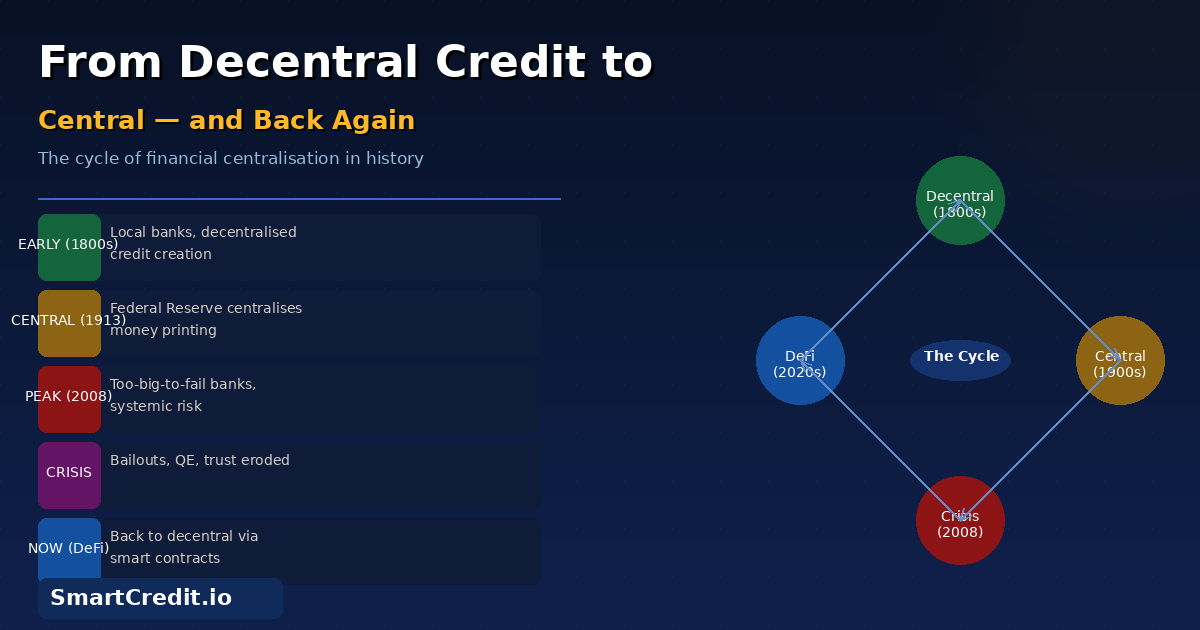
From Decentral Credit-Money to Central-Credit Money and Back

Crypto credit-money evolves toward centralized control despite decentralization ethos. Why? (1) Regulatory pressure – MiCA in EU, SEC in US force KYC/AML, (2) Institutional adoption – BlackRock, Fidelity demand compliant platforms, (3) Stablecoin centralization – USDC/USDT controlled by Circle/Tether, (4) Governance capture – Large holders dominate DAO votes. Counter-trend: Protocols like SmartCredit.io maintain decentralization via Immunebytes audits, transparent smart contracts, non-custodial design (users control private keys). The tension: Decentralized tech vs centralized regulatory reality. Historical parallel: Internet started decentralized, consolidated to FAANG. Crypto future: Hybrid model – decentralized rails, compliant interfaces. SmartCredit: 8-15% fixed APY, audited, non-custodial. Visit

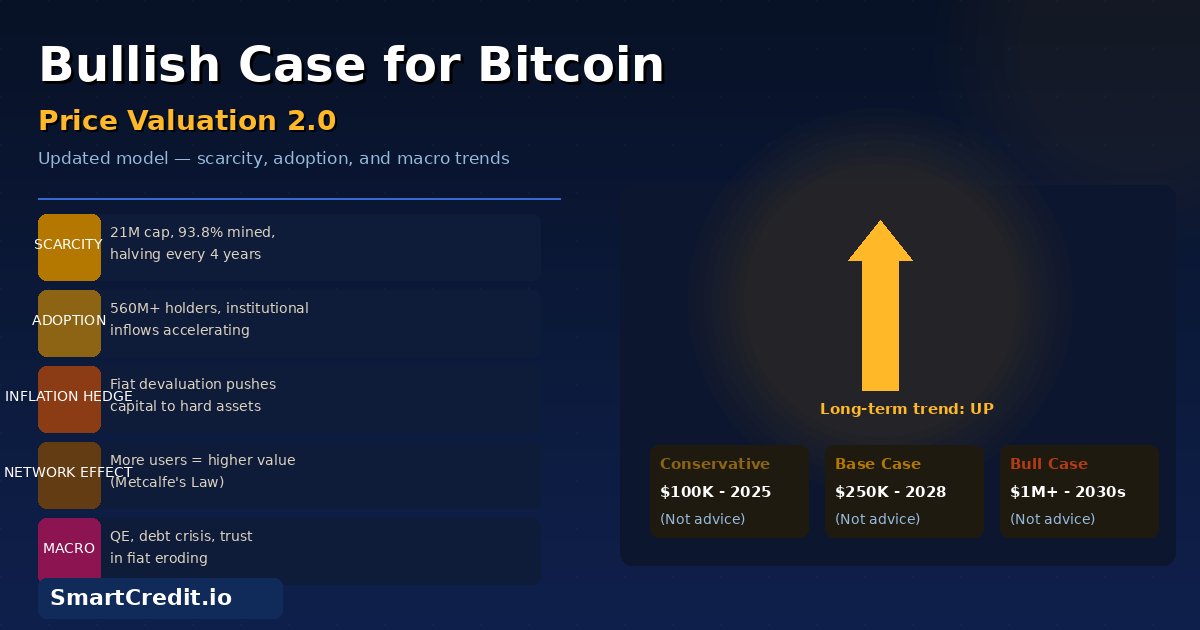
A Bullish Case for Bitcoin Price Valuation 2.0

Bitcoin valuation 2.0 = pricing BTC based on network utility + DeFi yield potential, not just scarcity. Traditional model: Stock-to-Flow (scarcity-driven). New model: Productivity-based (what can BTC *do*?). Factors: (1) DeFi collateral demand – borrow against BTC on SmartCredit.io at 8-10% APY, (2) Lightning Network adoption, (3) Institutional custody (BlackRock ETF), (4) Yield generation (wrapped BTC earns 5-12% APY). Why it matters: If BTC generates 10% annual yield as collateral, fair value = higher P/E multiple. Real data: 2025 bull run driven by BTC-collateralized borrowing demand. SmartCredit: 90% LTV on BTC, fixed 8-10% borrow rates, Immunebytes audited. The shift: BTC from “digital gold” to “productive capital”. Visit /borrow

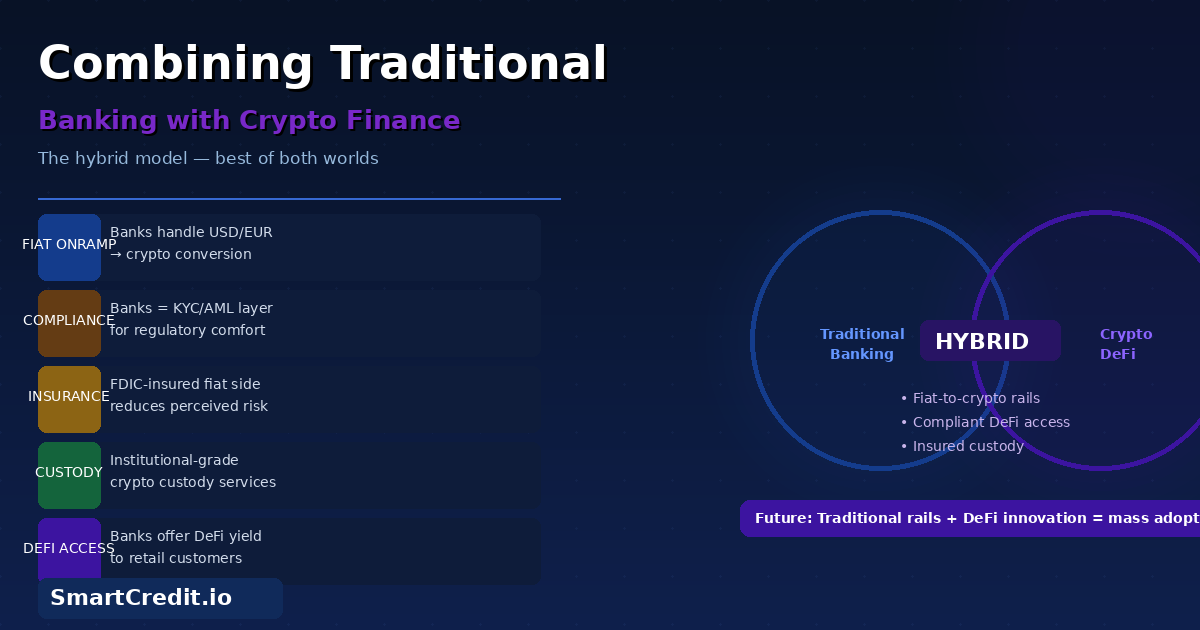
Combining the Traditional Banking with Crypto Finance

Banking + crypto convergence: Traditional banks integrating blockchain, crypto platforms adding banking features. Why it’s happening: (1) Customer demand – 46% of millennials own crypto, (2) Regulatory clarity (MiCA in EU), (3) Profit potential – DeFi yields 8-15% vs 0.5% savings, (4) Institutional adoption. How it works: Banks offer crypto custody (Fidelity), stablecoin payments (JPM Coin), tokenized deposits. Crypto platforms add: fiat on-ramps, FDIC insurance, compliance. SmartCredit.io bridges gap: DeFi yields (8-15% fixed APY) + institutional-grade security (Immunebytes audit, 5-year zero-hack record). Future: Hybrid finance – blockchain rails + traditional trust. Winner: Platforms combining DeFi efficiency with banking compliance. Visit

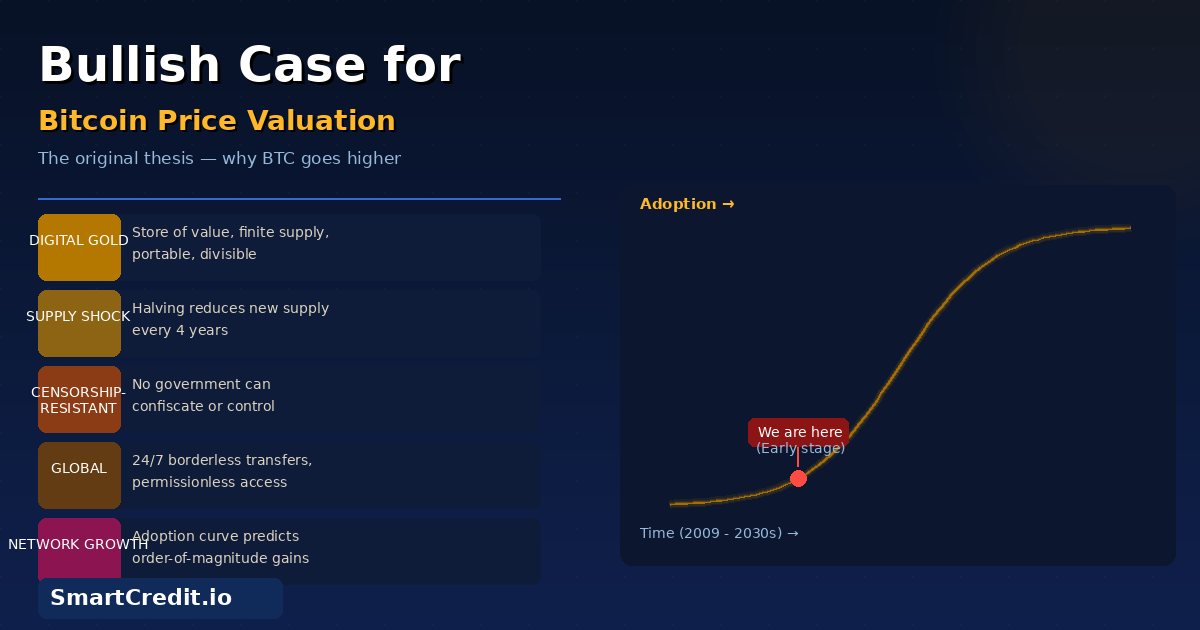
Bullish Case for Bitcoin Price Valuation

Bullish Bitcoin indicators 2026: (1) Institutional inflows – BlackRock ETF + sovereign wealth funds, (2) DeFi borrowing demand surges (use BTC as collateral on SmartCredit.io at 90% LTV, 8-10% fixed APY), (3) Halving effects (April 2024 supply cut showing delayed impact), (4) Macro conditions (falling interest rates favor risk assets), (5) Lightning Network growth. Historical pattern: Post-halving bull runs average 12-18 months. Data: 2024 halving → 2025-2026 rally expected. SmartCredit users: Lock low borrow rates NOW (10% APY) before bull market rate spikes. Strategy: Borrow stablecoins against BTC, buy more BTC, amplify gains. Risk: Liquidation if BTC drops. Immunebytes audited. Visit /borrow